Understanding the Double Sound /oo/ in English Language
TEACHING/LEARNING MATERIALSKINDERGARTHENLESSON NOTESABC ADVENTURESALL CATEGORIESLESSON PLANS
Ngeche N T
6/30/20262 min read

Introduction to the Double Sound /oo/
The English language is rich and varied, containing a plethora of sounds that can sometimes confuse learners. One such sound is the double sound /oo/, which appears in many words. This blog post aims to explore the /oo/ sound, providing examples of words, sentence-forming exercises, and suggestions for practice. Understanding the /oo/ sound is crucial for both pronunciation and comprehension, leading to more fluent communication.
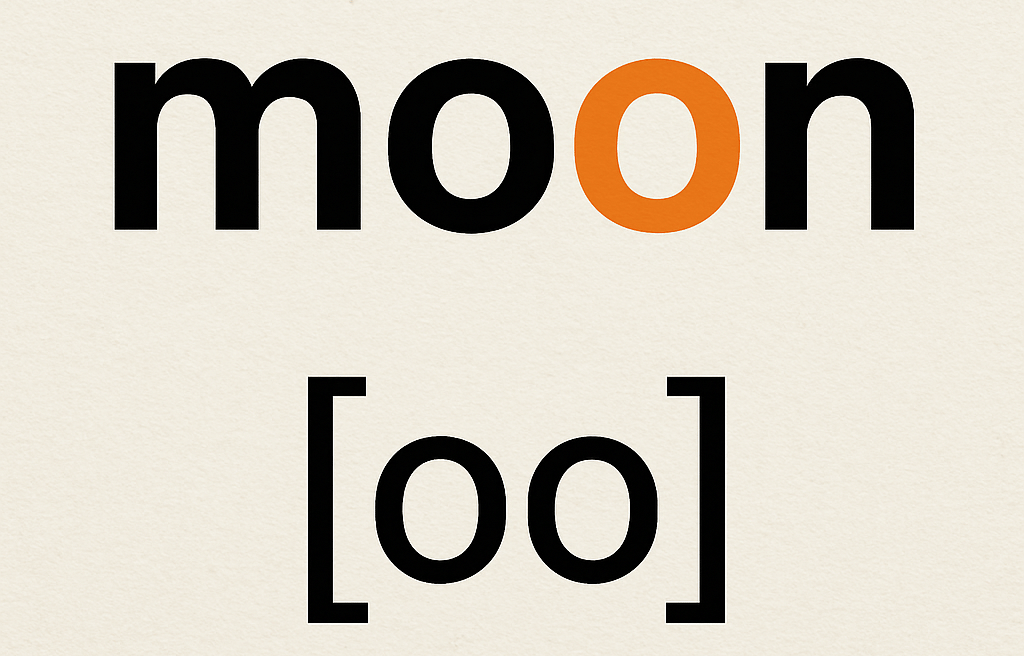
The double 'oo' sound is a distinctive phonetic element in the English language, characterized by a long vowel sound that often resembles the 'boot' or 'food' pronunciation. This sound appears in various words across contexts, showcasing its versatility and frequency in everyday language. When you pronounce the double 'oo' sound, it typically resembles the sound produced when you say 'oo' in 'moon' or 'spoon.'
Examples of Words with the /oo/ Sound
Words featuring the double sound /oo/ can range from simple to complex. Here are 20 examples:
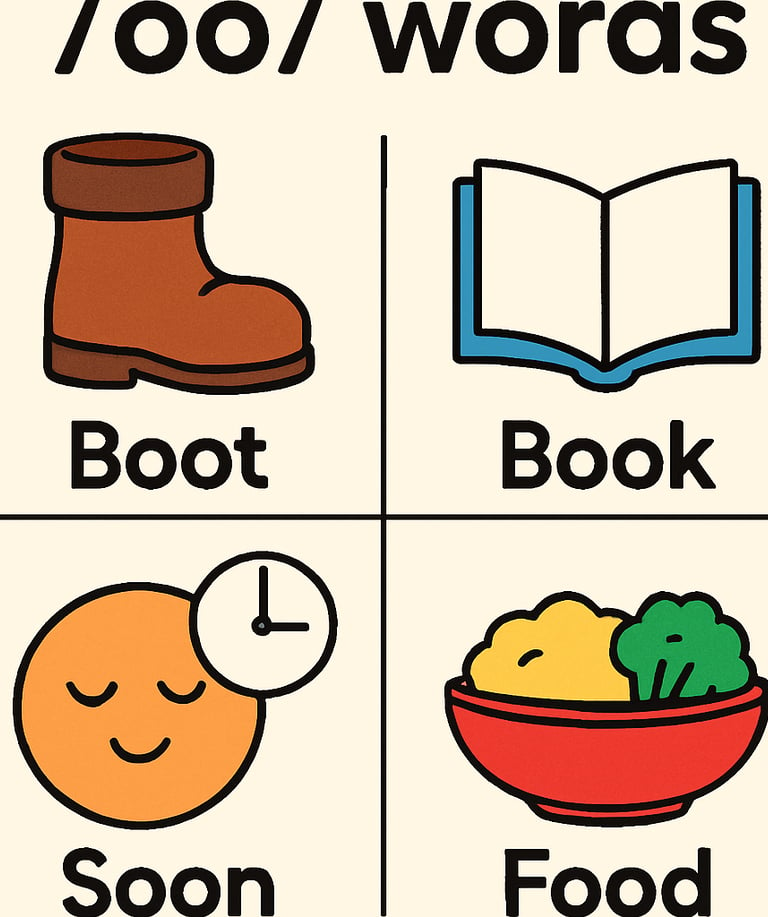
Boot
Book
Soon
Food
Cool
Pool
Fool
Moon
Spoon
School
Roof
Foothold
Loot
Wool
Bloom
Proof
Rooftop
Goose
Groove
Saloon
Constructing Sentences with the /oo/ Sound
To grasp the use of the /oo/ sound in sentences, here are 10 sentences incorporating the aforementioned words:
The moon shines brightly at night.
The child read a book before bedtime.
They swam in the pool during the summer.
She wore her new blue boots for hiking.
He filled the spoon with soup.
The school is closed on weekends.
He played a fool in the school play.
We enjoyed our delicious food at the picnic.
The roof needs repair after the storm.
They visited a dance saloon last weekend.
Practicing the /oo/ Sound
To enhance understanding of the /oo/ sound, here are some exercises:
List additional words that contain the /oo/ sound.
Read the provided sentences aloud, focusing on pronunciation.
Write your own sentences using at least five /oo/ words.
Practice making rhymes with some /oo/ words.
Record yourself reading a short passage and listen for clarity.
Finally, for homework, learners are encouraged to find five more words containing the /oo/ sound and construct their own sentences. Mastering this sound will greatly improve both spoken and written English skills.